Q1What is the difference between a servo-driven and a mechanical paper cup forming machine?
A servo-driven paper cup forming machine uses servo motors and electronic control systems to synchronize the machine movements. Its main advantages are precise motion control, stable operation at high speeds, easier parameter adjustment, and reduced dependence on mechanical lubrication.
However, servo-driven machines also have some disadvantages. Because many functions are controlled electronically, troubleshooting can be more complicated when an error occurs. Depending on the machine manufacturer, access to certain servo settings, software, or diagnostic functions may be restricted to the manufacturer.
After the warranty period, some manufacturers may charge for remote technical support, software access, or diagnostic services. In addition, when the exact cause of a servo or electronic error cannot be identified immediately, communication with the manufacturer and remote diagnosis may take considerable time, which can increase production downtime.
One of the biggest disadvantages of a servo-driven machine is the risk that the servo system may eventually be discontinued.
Even when replacement components come from the same manufacturer, newer servo motors, drives, or control software are often not fully compatible with older systems. If this happens, replacing just one small servo motor may not be possible.
In some cases, a failure of a single servo motor or servo drive can require replacement of a much larger part of the control system, or even the entire servo system, including motors, drives, controllers, and software. This can significantly increase maintenance cost, downtime, and dependence on the original manufacturer.
A mechanical paper cup forming machine mainly uses cams, gears, shafts, and mechanical transmission systems. The operating principle is comparatively simple, and experienced factory technicians can often identify mechanical problems directly without relying heavily on proprietary software or remote access from the machine manufacturer.
For this reason, Woosung Machinery prefers a proven mechanical transmission system for the main forming process, while using servo technology only where it provides a clear practical advantage. We believe this combination offers a good balance of production stability, durability, easier maintenance, and reduced downtime for long-term operation. For customers planning to operate a paper cup forming machine for many years, a mechanical system is generally the better choice because it offers simpler maintenance, easier troubleshooting, strong durability, and less dependence on proprietary software or remote technical support.
Woosung Machinery therefore recommends a mechanical transmission system for long-term production, especially for customers who place a high priority on reliability, easy maintenance, and minimizing production downtime.
Q2What should I consider when choosing a paper cup machine supplier?
Whenever possible, it is advisable to choose a manufacturer with a long and proven history. In recent years, many new companies have entered the market and then disappeared within a short period of time, leaving customers without proper technical support, spare parts, or after-sales service.
You should also be cautious of suppliers offering unusually low prices. A paper cup forming machine is made up of hundreds of individual components and parts. No manufacturer can continue selling machinery without making a reasonable profit. If a supplier offers a machine at an extremely low price, the manufacturing cost must usually be reduced somewhere in the process, whether through materials, components, machining quality, or production standards.
The quality of a machine comes from the combination of high-quality materials, reliable components, precise manufacturing, and experienced technicians with many years of practical knowledge. Only when these elements come together can a truly high-quality machine be produced.
Even the most skilled technician cannot produce a consistently high-quality machine if the manufacturing cost has been reduced too aggressively through the use of lower-grade materials or components.
Today, competition in the paper cup machinery industry is extremely intense. For this reason, manufacturers cannot simply offer unrealistically high prices without losing competitiveness. Woosung Machinery also does not apply excessive margins or quote unreasonably high prices. Our goal is to provide a fair price based on the actual quality of the materials, components, manufacturing process, technical experience, and long-term support included with the machine.
Q3What affects the price of a paper cup machine?
Of course, if the paper cup size is larger than the standard or average range, the machine price will generally increase. This is because many components must be specially manufactured to match the required cup dimensions, and larger or heavier materials are also needed.
In addition, the machining and processing cost of machine components is a significant factor. In particular, the cost of secondary precision processing after the initial machining can be substantial. This includes not only the raw materials used for the machine parts, but also processes such as precision grinding, precision heat treatment, and other finishing operations required to achieve the necessary accuracy and durability.
At WOOSUNG MACHINERY, we do not perform every specialized finishing process entirely in-house. Instead, we cooperate with experienced specialist companies that have advanced equipment and extensive expertise in their respective fields.
Even if we were to install all of this equipment ourselves, there can still be a considerable difference in quality and precision compared with companies that have spent many years focusing exclusively on a particular type of machining or finishing process. For this reason, we believe that working with highly specialized partners is the best way to ensure the precision, durability, and long-term reliability of our machine components.
Q4Can Woosung supply a complete paper cup production line?
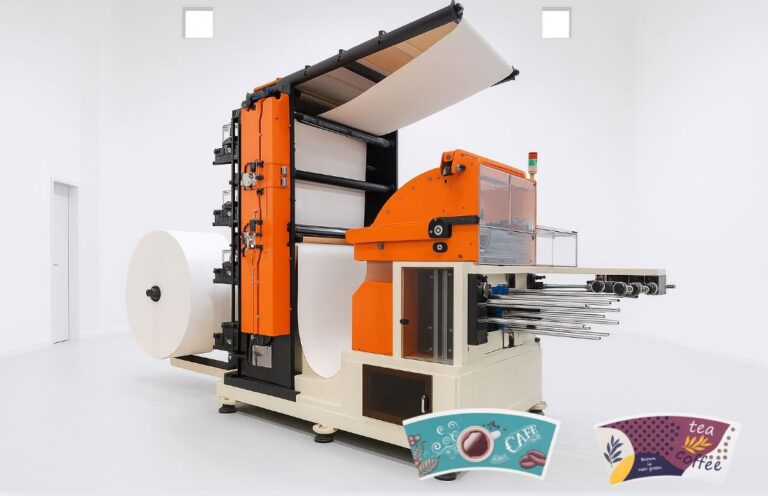
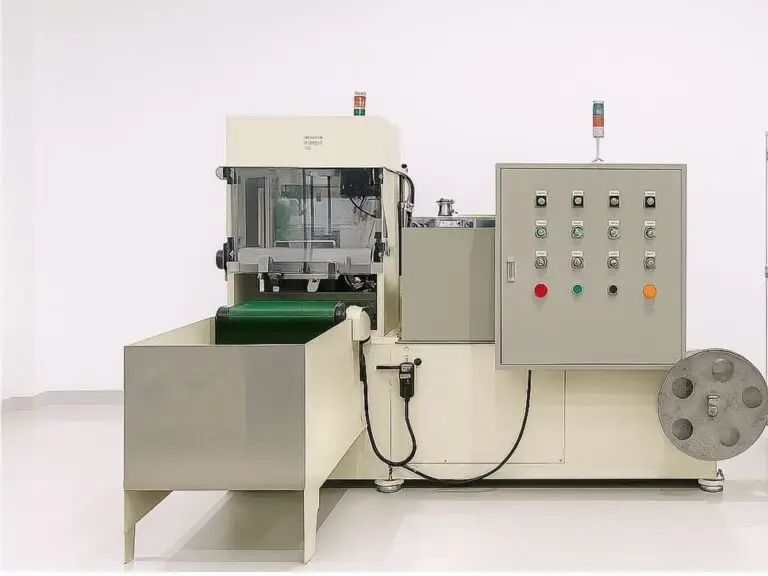
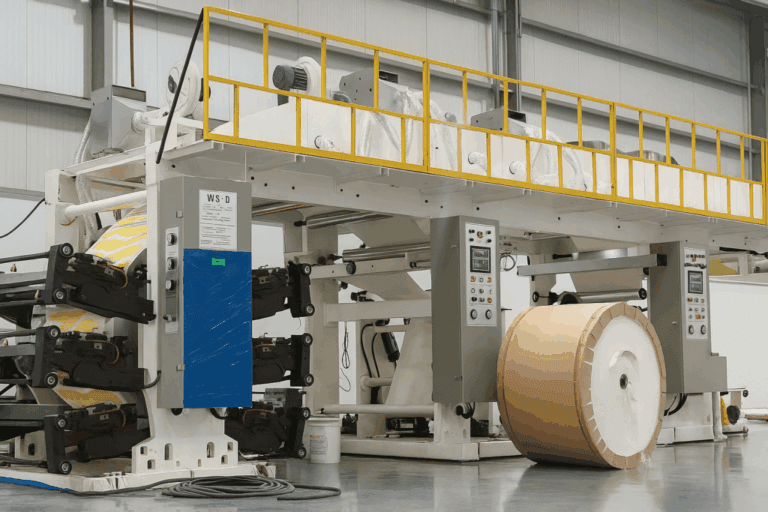
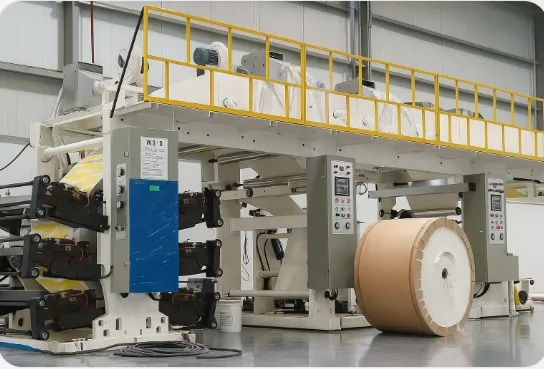
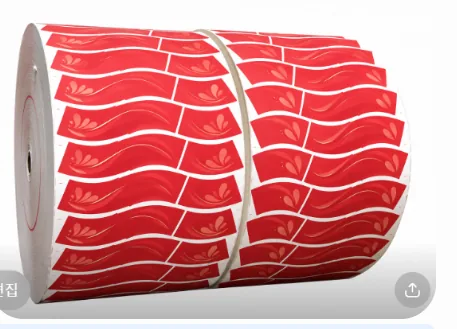
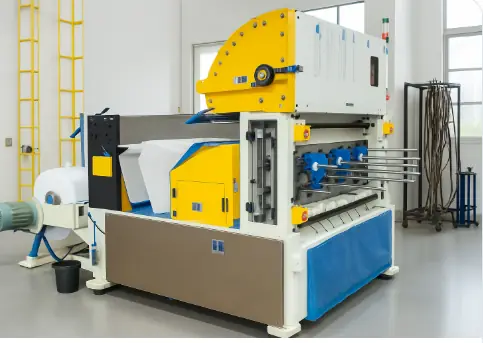
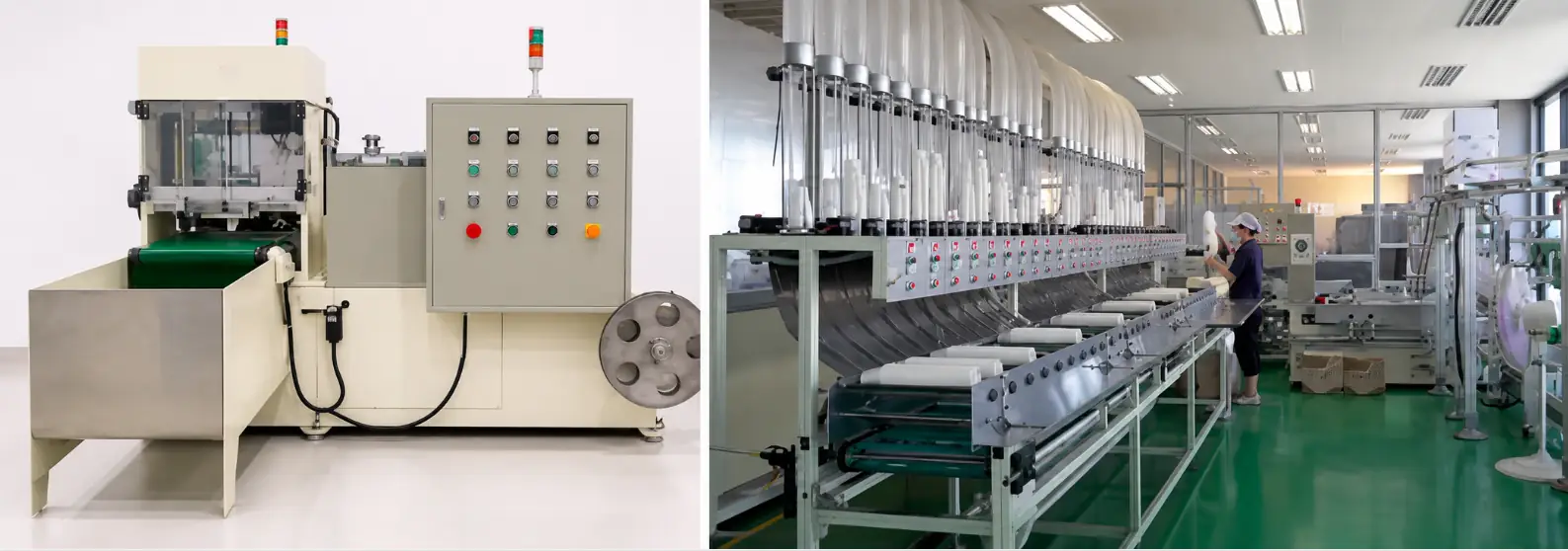
Yes. In addition to paper cup forming machines, Woosung can provide paper cup blank punching
equipment, C.I. flexo printing equipment and automatic paper cup packing systems. The recommended
configuration depends on your target output, cup specifications and factory layout.
Q5Besides the machine itself, what else is required for installation?
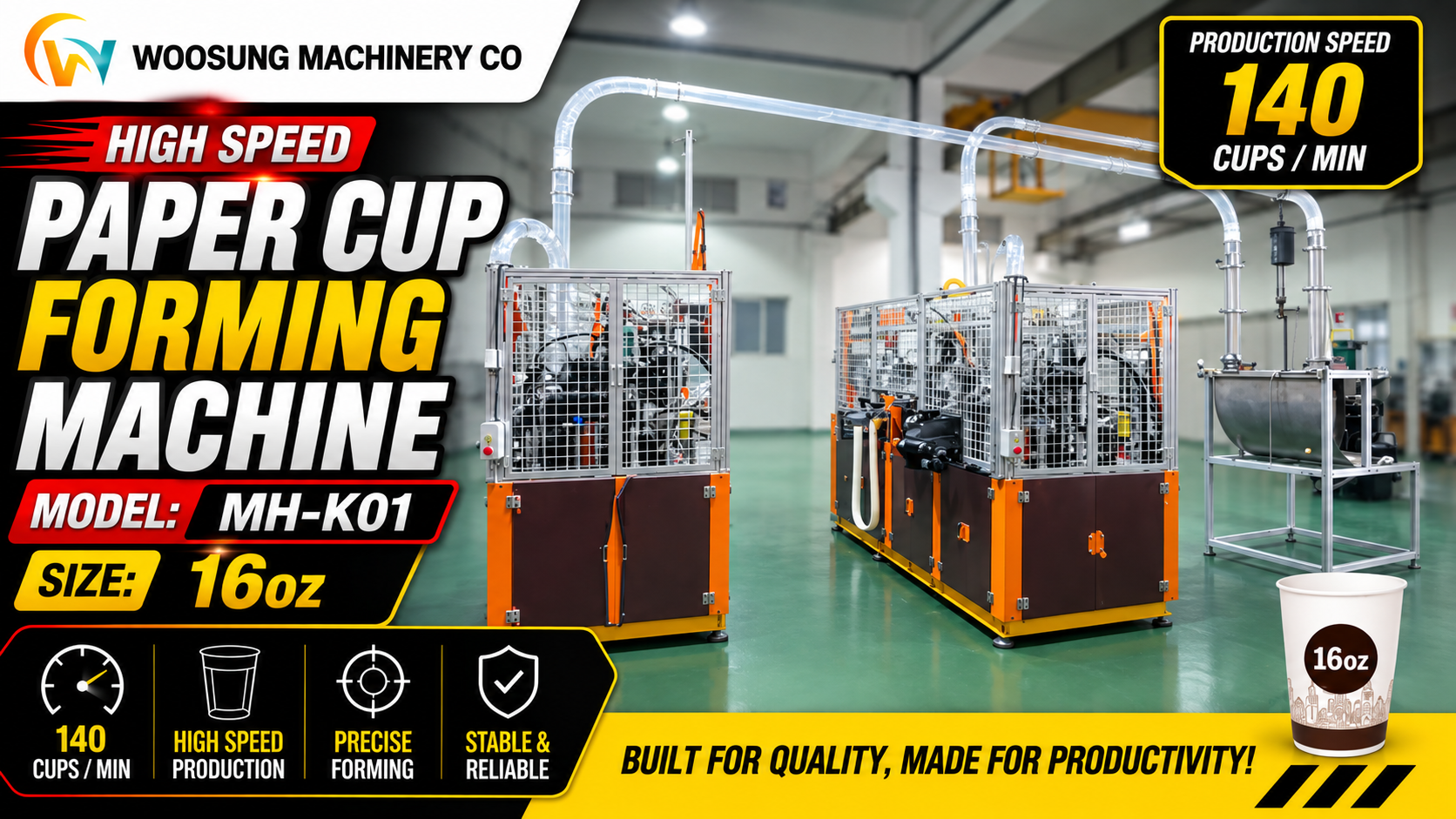
Our low-speed models, such as the SH-K01 and SH-K02, do not require an air compressor. However, high-speed models from the MH-K01 and above require an air compressor for stable operation.
The most important requirement is the electrical power supply. If the voltage supplied in the customer’s country is significantly different from the machine’s required voltage, a transformer should be used. Most industrial electrical components used in machinery worldwide are commonly designed around standard voltages such as 380V and 220V.
If the incoming power supply is excessively high or too low, using a suitable transformer or voltage regulation system is important to protect the machine. Electrical components are directly affected by unstable or incorrect voltage, and maintaining the proper voltage helps extend the service life of motors, heaters, sensors, controllers, and other electrical parts.
For this reason, we strongly recommend checking the customer’s actual factory voltage before installation and using the proper transformer or voltage regulation equipment whenever necessary.
Q6We plan to operate the machine 24 hours a day. Are there any precautions or special requirements we
should be aware of? should be aware of?
This applies not only to our machines, but to virtually all types of industrial machinery worldwide. If you plan to operate a machine continuously for 24 hours, it is essential to check both the daytime voltage and nighttime voltage.
Of course, if there is only a small difference between the daytime and nighttime voltage, it may not cause any serious problem. However, if the voltage difference exceeds approximately 10%, it can become a significant risk to electrical components and long-term machine reliability.
This is especially important when the customer’s factory is located in an industrial complex. In many industrial areas, the voltage may be normal during the daytime but rise significantly at night, sometimes by more than 15%, as the overall electrical load in the area decreases.
Even in countries with generally stable power supplies, there can still be a noticeable difference between daytime and nighttime voltage. If a machine is operated continuously without considering these voltage fluctuations, electrical components may be damaged during nighttime operation.
This issue can be even more serious with a servo-driven machine. Servo motors, drives, controllers, and other electronic components are sensitive to unstable or excessive voltage. If a servo-related problem occurs, identifying the exact cause can take considerable time, and repairs can be expensive. In some cases, the machine may remain stopped for a long period while the servo system is being diagnosed, repaired, or replaced.
Therefore, if you plan to operate the machine 24 hours a day, we strongly recommend installing an AVR (Automatic Voltage Regulator) to stabilize the incoming power supply and protect the electrical components, especially when using a servo-driven machine.
As for the mechanical side, our machines are manufactured with very careful machining, assembly, and adjustment. When properly maintained and operated under the recommended conditions, the mechanical system is designed for reliable continuous production.
Q7Why is low vibration important in a high-speed paper cup forming machine?
A machine with low vibration generally indicates that it has been manufactured and assembled with a high level of precision.
As machinery operates over time, both noise and vibration can gradually increase. If a machine has excessive vibration from the beginning, components may be subjected to repeated impact and stress, which can lead to frequent failures and require parts to be replaced within a relatively short period of time.
Excessive friction between moving components can also increase operating noise. As wear progresses, the noise level may become even greater over time.
This is especially important for high-speed machines. The faster a machine operates, the more critical vibration control becomes. Proper machining accuracy, component balance, alignment, assembly precision, and overall mechanical rigidity are essential for maintaining stable operation.
For this reason, minimizing vibration is one of the key factors in achieving long-term durability, reduced component wear, lower maintenance requirements, and stable high-speed production.
Q8Can one paper cup machine make several different cup sizes?
A paper cup forming machine is fundamentally different from a plastic molding machine, where molten material is placed or injected into a mold and formed under pressure. A paper cup machine produces a finished solid product from solid sheet material. Therefore, changing the cup size cannot be accomplished simply by replacing a mold.
To change the cup size, more than 20 different parts may need to be supplied and replaced in addition to the forming molds. In simple terms, almost every component inside the machine that directly contacts, guides, feeds, folds, or forms the paper may need to be changed.
Some parts can be replaced relatively easily, but many components require individual adjustment, alignment, and fine setting during replacement. These adjustment procedures account for most of the size-change time. Depending on the machine model and the technician’s skill and experience, changing the size on most high-speed paper cup forming machines can take approximately 5 to 10 hours, or sometimes even longer.
If a customer wants to produce two different cup sizes on one machine, the dimensional difference between the original size and the new size should not be too large. We strongly recommend choosing sizes that are as similar as possible.
If the difference between the two cup sizes is too great, the required machine stroke, forming positions, and operating conditions can also become different. In such cases, components may have to be adjusted beyond their ideal operating range simply to accommodate the new size. A cup size configured in this way may be difficult to produce with consistently good quality and stable production speed.
This is not a characteristic unique to WOOSUNG MACHINERY. The same basic limitation applies to paper cup forming machines worldwide because they operate according to broadly similar mechanical forming principles.
Frequently removing, replacing, and readjusting a large number of components can also reduce the machine’s original mechanical stability over time. Therefore, if your priority is to produce high-quality paper cups continuously for a long period with minimum trouble and downtime, we recommend operating each machine with one dedicated cup size whenever possible.
To emphasize this point again, there is no special paper cup forming machine that can make completely different cup sizes simply by changing one mold. The fundamental forming mechanism of paper cup machines requires multiple related components to match the cup geometry.
However, there is a practical way to reduce the number of replacement parts and shorten the changeover time: keep the cup angle as close as possible to that of the existing cup.
The easiest case is when the new cup has the same cup angle and the same bottom outside diameter, with only the cup height being different. In this situation, the size change can be considerably easier.
In terms of changeover difficulty, the general order is:
Different cup angle + different bottom outside diameter → Same cup angle + different bottom outside diameter → Same cup angle + same bottom outside diameter
Therefore, if you plan to produce another cup size on the same machine, we recommend designing the new cup with the same or very similar cup angle as the existing cup whenever possible.
If the new cup requires both a different cup angle and a different bottom outside diameter, it is much better to determine this requirement when the machine is originally manufactured. The necessary parts and machine settings can then be designed and prepared together from the beginning.
Changing to such a significantly different cup size after the machine has already been installed at the customer’s factory can require a very high level of technical skill and extensive readjustment. In some cases, it may be necessary for the machine manufacturer’s technician to visit the customer’s factory to carry out the conversion and final setting correctly.